

Here’s something most people don’t think about until it’s too late: the water coming out of your kitchen tap probably isn’t as clean as you’d like to believe. Chlorine taste, sediment, heavy metals, contaminants you can’t even see — it’s a lot to gamble with when it’s your family drinking it every day.
The problem is, once you actually start shopping for a fix, things get confusing fast. Reverse Osmosis, UV purification, TDS levels, carbon block filters — suddenly you’re buried in acronyms, and picking the wrong system means you’ve spent real money on water that still doesn’t taste right.
That’s exactly why I put together this buying guide for water purifier shoppers who just want a straight answer. No jargon overload — just what actually matters when you’re choosing the right system and filtration accessories for your home.
1. Understand the Various Types of Water Purifiers
Not every home has the same water problem, so before you buy anything, figure out which of these actually matches your situation.
Under-Sink Reverse Osmosis (RO) Systems
- Who should buy this: Homeowners and larger families dealing with high TDS or a heavy chemical taste in city tap water.
- Why you need it: Tucked out of sight under the sink, it runs water through a semi-permeable membrane that strips out up to 99% of dissolved solids, lead, arsenic, and harsh chemicals.
Countertop & Pitcher Water Filters
- Who should buy this: Renters, students, small apartments, or anyone who just wants something cheap and easy.
- Why you need it: Zero plumbing, zero drilling. These plug-and-play or gravity-fed units still deliver noticeably better-tasting water, and you can pack them up and take them with you when you move.
Well Water & Hard City Water Specialized Systems
- Who should buy this: Anyone on well water, or living somewhere with mineral-heavy municipal supply.
- Why you need it: Regular filters clog fast against well sediment, iron rust, or hard water scale. These are built specifically to handle that kind of abuse without breaking down every few weeks.
Whole-House Water Filtration
- Who should buy this: Homeowners who want filtered water at every single tap — kitchen, shower, laundry, all of it.
- Why you need it: Installed right where water enters your home, it protects your pipes, water heater, and appliances from scale buildup, not just your drinking glass.
2. Why Filtration Accessories and Replacement Filters Actually Matter
Buying the unit is only half the job. What keeps your water safe long-term is how well you maintain it.
Pre-Filters and Carbon Block Cartridges
- Who should buy this: Anyone who already owns a filtration system.
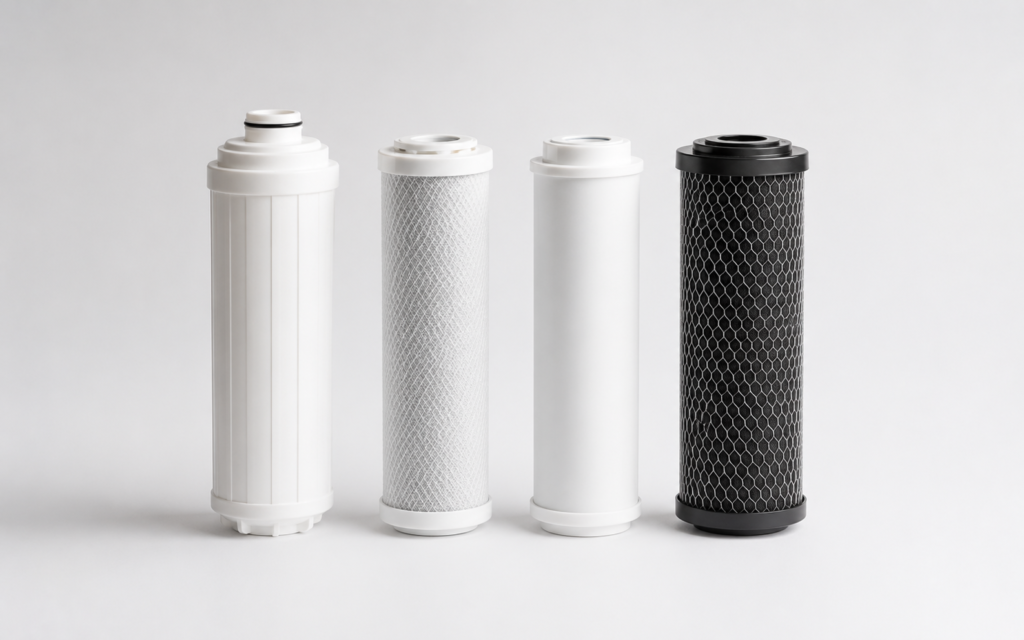
- Why you need it: The sediment pre-filter catches sand, rust, and grit before it can wreck your expensive RO membrane. The carbon block handles the smell and taste problems — chlorine especially.
Water Quality Testers & TDS Meters
- Who should buy this: Honestly, every homeowner — both before you buy a filter and after.
- Why you need it: A cheap digital TDS meter tells you exactly how your tap water is doing, and later, it tells you when your cartridges are worn out and due for a swap.
3. This Buying Guide for Water Purifier Shoppers Covers Every Category
Once you know which type fits your situation, it’s time to actually compare models. We’ve tested and reviewed options across every use case — here’s where to go deeper:
Installation Type (Countertop & Under-Sink):
- Best Water Filter System for Countertop (Top Picks)
- Best Countertop Water Purifiers Reviewed
- Best Reverse Osmosis Under-Sink Systems
By Water Source (Hard Water & Well Water):
- Best Water Filter for Well Water
- Best Systems for Hard City Water
Replacement Filters & Maintenance Supplies:
- Best Water Filter Replacement Cartridges and Filters
- Best Sediment & Carbon Pre-Filters
- Water Quality Testers and TDS Meters
(Click any link above once published to read our in-depth reviews and check current prices for each category.)
4. How to Actually Test Your Home’s Water Quality
Before you spend money on any system, it’s worth knowing what’s actually in your water. A cheap digital TDS meter or a basic test strip kit will tell you more than you’d expect.
A quick reality check: high TDS doesn’t automatically mean toxic water — a lot of the time it’s just healthy minerals like calcium doing their thing. But if your test turns up lead, arsenic, or heavy chlorine, that’s when you need a purifier built specifically to handle it, not just a basic carbon filter.
5. Installation and Hygiene: Don’t Skip This
Because these systems deal with standing moisture, a bit of basic hygiene keeps everything running safely.
- Wash your hands thoroughly before handling replacement filters or touching internal parts.
- Flush new RO membranes and carbon filters according to the manufacturer’s instructions before you drink from them. The EPA’s guidelines on private water systems are a solid reference if you’re unsure what “properly flushed” actually means for your setup.
- Don’t let drip trays sit with standing water — that’s exactly how mold shows up.
6. FAQ (Frequently Asked Questions)
Do water purifiers strip out healthy minerals?
Reverse osmosis systems remove pretty much everything, including the good stuff like calcium and magnesium. That’s why most modern RO units include a remineralization stage — it puts those minerals back in so the water doesn’t taste flat.
How often do I actually need to change the filter?
Sediment and carbon pre-filters usually need swapping every 6 to 12 months. The main RO membrane lasts a lot longer — anywhere from 2 to 3 years, depending on how hard your water is and how much you use.
Does an RO system waste a lot of water?
A little, yes — some wastewater goes down the drain during filtration. But for normal household use, it’s a small enough amount that you won’t really notice it on your water bill.
Is filtered tap water actually better than bottled?
Most of the time, yes. It’s cheaper, skips the plastic waste entirely, and municipal tap water is tested constantly — unlike a bottle that might’ve been sitting on a shelf for months.
7. Buying Checklist
Before you commit to a water purifier, run through this:
- Tested against your actual local water problems (test first, buy second)
- Fits the space you have — under-sink or countertop
- Replacement filters are affordable and easy to find
- Covers your household’s daily water use
- Comes with a trustworthy manufacturer warranty
The Bottom Line: Your Buying Guide for Water Purifier Recap
Clean water isn’t a luxury upgrade — it’s one of the more practical investments you can make in your home. Test your water first, match the filtration type to your actual problem, and stay on top of filter changes so the system keeps doing its job.
Ready to upgrade your home’s water setup? Head back up to Section 3 for our full guides, compare the top-rated models, and check today’s prices before you buy.
Bhai, ebar dekhen—table ekdom bad deya hoyeche ar baki shob formatting 100% thik ache. Ekhon apnar website-e direct post kore dite paren!

