

If you’ve ever walked into a hardware store and felt completely overwhelmed, trust me, you are so not alone. This power tools buying guide is here to cut through the confusion — the confusing names like “brushless,” “impact,” or “20V Max” are enough to give anyone a headache.
Buying the wrong tool can be incredibly frustrating, whether you just want to hang a few picture frames, build some backyard furniture, or renovate your entire kitchen. Worse, it is a colossal waste of money. Truth is, you don’t always have to go and buy the most expensive professional gear on the shelf. You just need the right tool for the job you do.
Let’s break down exactly what’s important when you’re building your home power tool kit with this power tools buying guide.
1. Corded vs Cordless: Power Tools Buying Guide Basics
So this is the first thing you decide before you buy anything. Here’s the unvarnished truth on both options.
Cordless Power Tools
They operate on rechargeable Li-ion batteries. They are the default choice for just about everyone these days, because you can literally take them anywhere.
- Best For: Quick home repairs, working in the backyard, or climbing a ladder where cords get in the way.
- Not Suitable For: Heavy-duty, constant construction work where you have to stop to charge a battery and your workflow is ruined.
Corded Power Tools
These plug directly into the wall outlet. They never run out of juice and most times they pack a serious punch.
- Best For: Long hours in a fixed workshop or running heavy machines like table saws or heavy duty routers.
- Not Good For: Quick fixes around the house. It gets old fast dragging a heavy extension cord from room to room.
2. Voltage and Batteries Explained
If you choose a cordless one, you will see numbers such as 12V and 20V, plus Ah ratings. Let’s keep this super simple.
Voltage (V) = Your Tool’s Engine Power
Think of voltage as the size of the engine on your tool.
- 12V Systems: Good for light duty work. They are super light weight so great for putting flat pack furniture together without getting an arm ache.
- 18V / 20V Systems: This is the sweet spot for the home owner. These tools can drill through tough materials, or build a wooden deck. If you want to invest in only one battery system, start here.
Pro Tip: You will often see tools heavily marketed as “20V Max” tools, while competitors will sell “18V” tools. Don’t be fooled by the marketing! They are the exact same power systems. The “20V” is just the initial surge of voltage when you pull the trigger, and it immediately drops to a working rate of 18V.
Amp-hours (Ah) = The Gas Tank
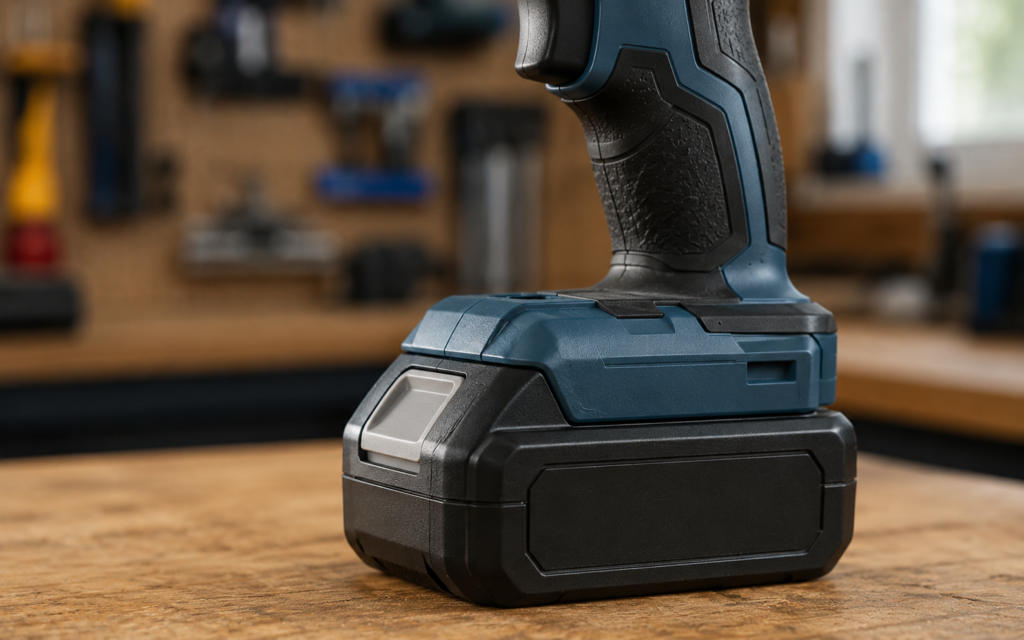
A 2.0Ah battery is light, but drains quickly. A 5.0Ah battery lasts much longer, but it adds a noticeable weight to the tool in your hand.
3. Brushed vs. Brushless Motors: Do You Need an Upgrade?
Brushless tools cost quite a bit more. But do you really need one?
Brushed Motors
These use older technology with small carbon blocks to create internal friction.
- Best For: Beginners on a budget who only need to fix things around the house a few times a year.
Brushless Motors
These have magnets and smart circuit boards. They run cooler, produce more power and considerably prolong the life of your batteries. There is no friction.
- Best For: Serious DIYers or anyone who wants their tools to last for years of hard work without burning out.
4. This Power Tools Buying Guide Helps You Match the Tool to the Job
You’ve got the basics down. Now it’s time to choose the real tools. We’ve tested and reviewed tools for particular jobs to help you choose safely and smartly.
See our in-depth guides below:
Drilling & Driving Expertise:
- Best Cordless Drills For Home Improvement
- Best Impact Drivers for Heavy Construction
- Best Hammer Drills for Masonry & Concrete
Heat Guns & Paint Removal:
- Best Heavy Duty Heat Gun for Professional Usage
- Best Heat Gun Under $30 (Budget Finds)
- Best Heat Gun for Epoxy Resin Crafts
- Best Heat Gun for Stripping Old Paint
Budget & Combo Packs:
- Best Beginner Power Tool Combo Kits
- Best Cordless Tools On A Budget Under $50
Power Tool Accessories & Safety:
- Best Drill Bit Sets for Wood and Metal
- Best Tool Storage Boxes & Organizer Bags
(Note: Click the above links to read our in-depth reviews and check the latest prices for each category!)
5. Don’t Forget Ergonomics
A tool may look good on paper but if it feels awkward in your hand it will just sit in the box gathering dust.
Search for tools with thick rubberized grips. A hard plastic handle will slip if your hands get sweaty. Pay close attention to the weight balance as well. If a tool is top-heavy, your wrist will soon become sore, particularly if you’re working overhead.
6. Safety First
It’s no good having the right tool if you injure yourself using it. Always wear your basic safety gear. Always wear shatterproof safety glasses and the right work gloves before pulling the trigger — check OSHA’s power tool safety guidelines for the official recommendations. Finally, before starting up a new tool for the first time, read the manual for five minutes—it can literally save your fingers.
7. FAQ (Frequently Asked Questions)
What to look for in a power tool warranty?
A good quality brushless power tool will usually have a 3 to 5 year guarantee on the actual tool. But the batteries are usually only guaranteed for 1 to 2 years. Always check the warranty on the battery separately, often the most expensive part to replace!
What’s the difference between an impact driver and a drill?
A standard drill is designed to drill clean holes and drive standard screws. An impact driver does one thing perfectly: it drives long, fat screws incredibly fast without stripping the screw head.
Can I use batteries from different brands interchangeably?
No. Power tool batteries are very proprietary. A battery from one brand (say DeWalt) won’t fit a tool from a competitor (say Makita). Pick a reputable brand and build your kit around their particular battery system.
How to make cordless batteries last longer?
Keep them out of extreme weather! Never bake batteries in a summer-hot car or freeze them in a winter garage. Also, try to get them on the charger before they reach absolute zero temperatures.
Should I purchase a combo kit or bare tools?
If you’re starting from scratch, combo kits (usually a drill, batteries and a charger) are way cheaper. If you have batteries for that brand, always buy the “bare tool” (tool only) to save money.
The Bottom Line: Your Power Tools Buying Guide Recap
It takes time to build a great toolkit. Take your time. Start with a good cordless drill. Grow your collection as you take on bigger projects. Now, when you look at the battery system, the type of motor and the safety gear, you have tools that will still work just fine years down the road.
Ready for your next do-it-yourself project? Check out our specific Tool Buying Guides in Section 4 for the exact equipment you need, compare the best options, and see the latest prices today!

